UN warns human rights face growing threats worldwide in 2025 as funding for activists falls
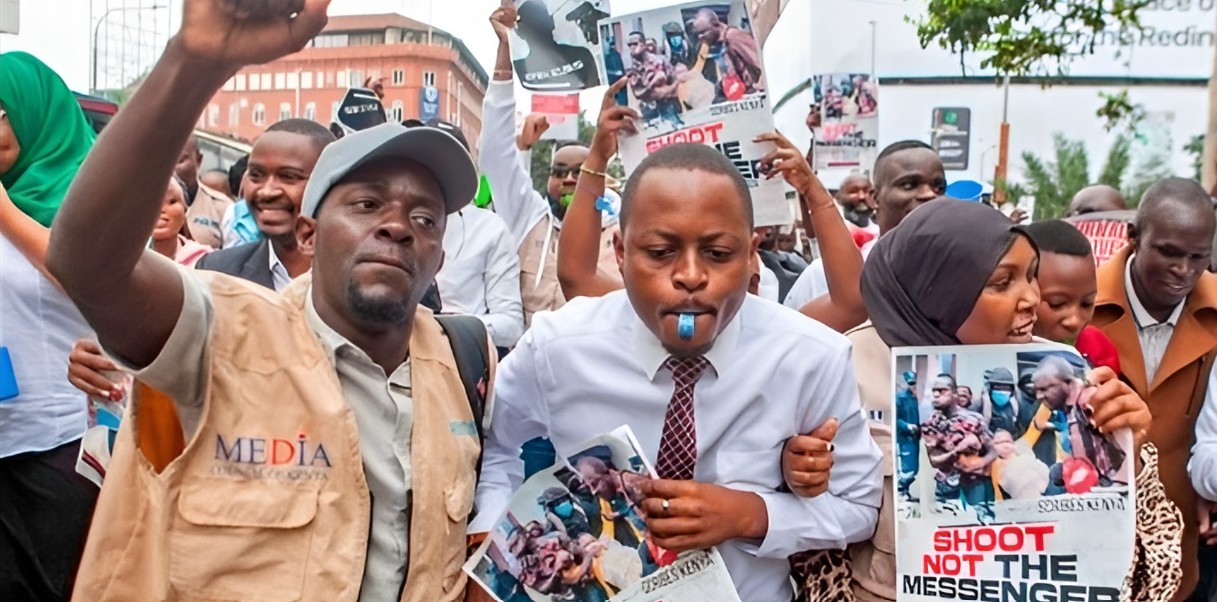
The UN warns global human rights are under growing threat in 2025, citing funding cuts, escalating conflicts and attacks on defenders, even as youth-led activism from Kenya to Peru pushes back.
The United Nations has warned that human rights are facing growing challenges worldwide in 2025, with shrinking funding for rights organisations and rising threats to civilians in conflict zones.
Speaking on Human Rights Day, UN High Commissioner for Human Rights Volker Türk highlighted Kenya as one of several countries where young people have taken to the streets and social media to advocate for freedom of expression, equality and essential everyday rights, demonstrating resilience even as global human rights protections face setbacks.
More To Read
- UN rejects Israel’s ‘yellow line’ plan, says Gaza border changes violate ceasefire
- Sudanese herders struggle to safeguard livestock amid devastating war
- UN condemns Israel for storming UNRWA compound in East Jerusalem
- Egypt rejects US plan for foreign control in Gaza, insists Palestinians must govern themselves
- Sudan puts Russian Red Sea naval base plans on hold to focus on domestic crisis
- UN’s Guterres vows to push for Palestine two-state solution, says he will ‘not shut up’
“This year has been a difficult one, full of dangerous contradictions,” said Türk. “Funding for human rights has been slashed, while anti-rights movements are increasingly well-funded. Profits for the arms industry are soaring, while funding for humanitarian aid and grassroots civil society is plummeting. Those defending rights and justice are attacked, sanctioned, and hauled before courts, even as those ordering atrocity crimes continue to enjoy impunity.”
Youth mobilise to challenge repression
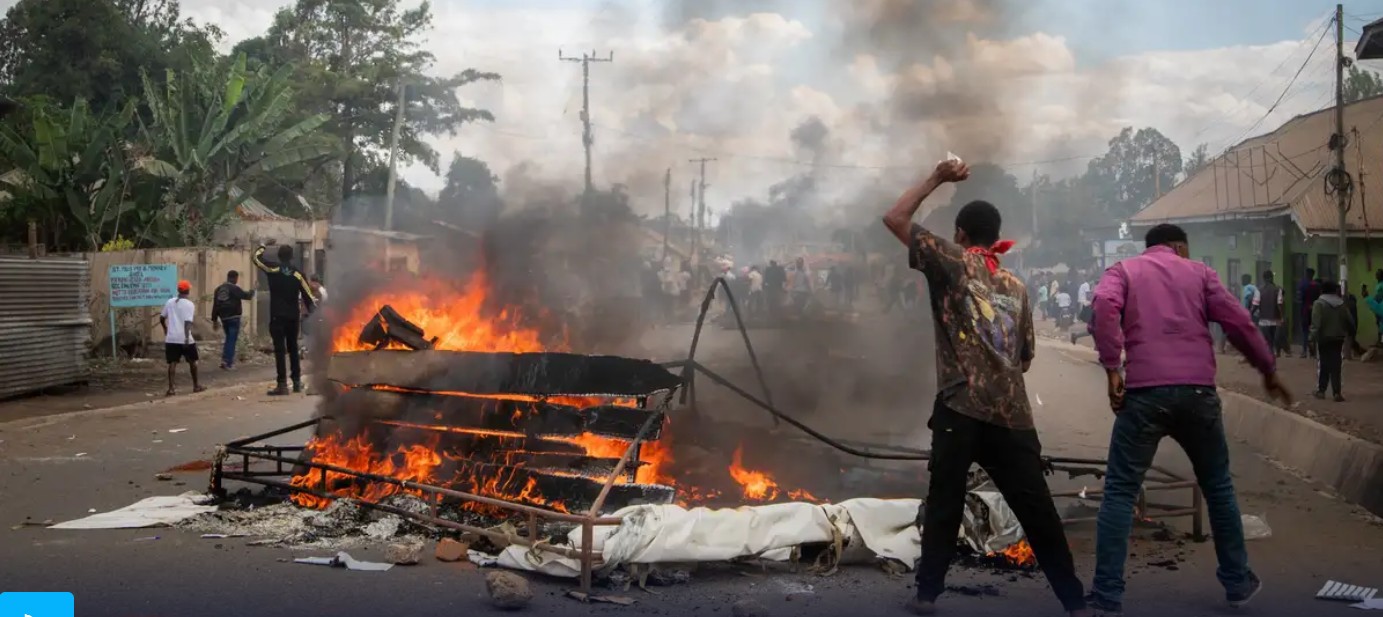
According to Türk, in 2025, young people in Kenya and other countries — including Nepal, Serbia, Madagascar, Bangladesh, Ecuador, Paraguay, the Philippines, Indonesia, Tanzania, Morocco and Peru — have mobilised to challenge inequality, corruption and repression.
"The pushback on human rights is facing pushback from a groundswell of human rights activism," Türk noted. "Young people have taken to the streets and to social media against inequalities, against corruption or repression, in favour of freedom of expression, and for their everyday essential rights. People across the world have also been protesting against war and injustice, and demanding climate action, in places far from home, expressing solidarity and pressuring their governments to take action."
Türk emphasised that despite global setbacks, including funding shortfalls and attacks on rights defenders, civil society continues to demonstrate resilience. He stressed that supporting these movements, ensuring protection for activists, and safeguarding freedom of expression are essential for strengthening democratic governance and advancing human rights globally.
Harness social movements energy
"I urge governments around the world to harness the energy of these social movements into opportunities for broader transformational reforms rather than rushing to suppress them or label them as extremist threats to national security. They are, in fact, the exact opposite of threats to national security," he said.
Globally, the UN’s human rights office has faced a shortfall of approximately USD 90 million (about Sh11.6 billion) in 2025, forcing cuts to investigative missions, country visits and essential programmes.
The commissioner said these reductions have limited the UN’s ability to monitor rights abuses and engage with states on treaty compliance, leaving populations in conflict zones — including Gaza, Sudan and the Democratic Republic of the Congo — increasingly vulnerable.
The High Commissioner highlighted the severe impact of ongoing conflicts on civilians. In Gaza and the West Bank, civilians continue to face attacks, displacement and restricted access to essential services.
DR Congo clashes
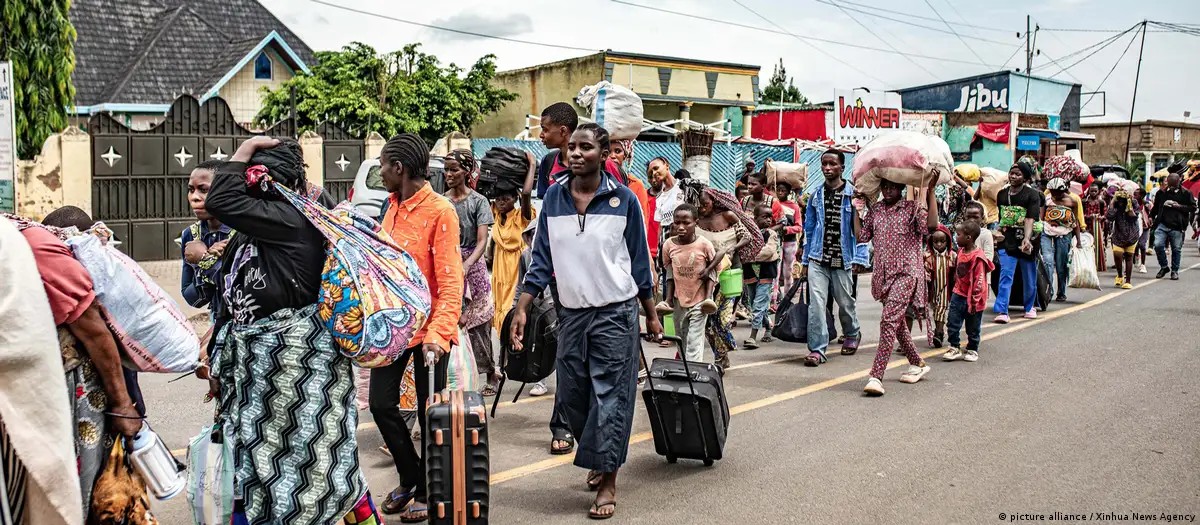
In the Democratic Republic of the Congo, clashes between the armed forces and M23 fighters have forced thousands to flee, while reports of rape and other human rights abuses continue. Sudan remains engulfed in violence between the army and Rapid Support Forces, affecting civilians across multiple regions.
Ukraine has also seen a sharp rise in civilian casualties, largely due to intensified attacks on infrastructure and continued hostilities.
Türk stressed the importance of incorporating human rights into peace processes and governance, calling for accountability, protection of civilians and the inclusion of women in conflict resolution.
Uphold international law
He also urged governments to uphold international law, ensure the humane treatment of migrants and refugees, and address the needs of those affected by war and violence.
Despite these challenges, Türk highlighted the resilience and determination of human rights defenders and social movements worldwide. Young people, journalists and grassroots activists continue to mobilise against inequality, repression and injustice, contributing to landmark achievements in protecting freedom, equality and human dignity.
"Journalists, activists, and human rights defenders have been at the forefront of the global movement for freedom, equality and justice. Such perseverance has achieved landmark victories for the rights of women, migrants, people discriminated against on the basis of descent, minorities, our environment, and so much more," he said.
Top Stories Today